
May 18, 2026 | Trump-Xi tariff-cut talks test managed trade path; chip controls stay outside Beijing truce; WTO drift widens digital-trade split
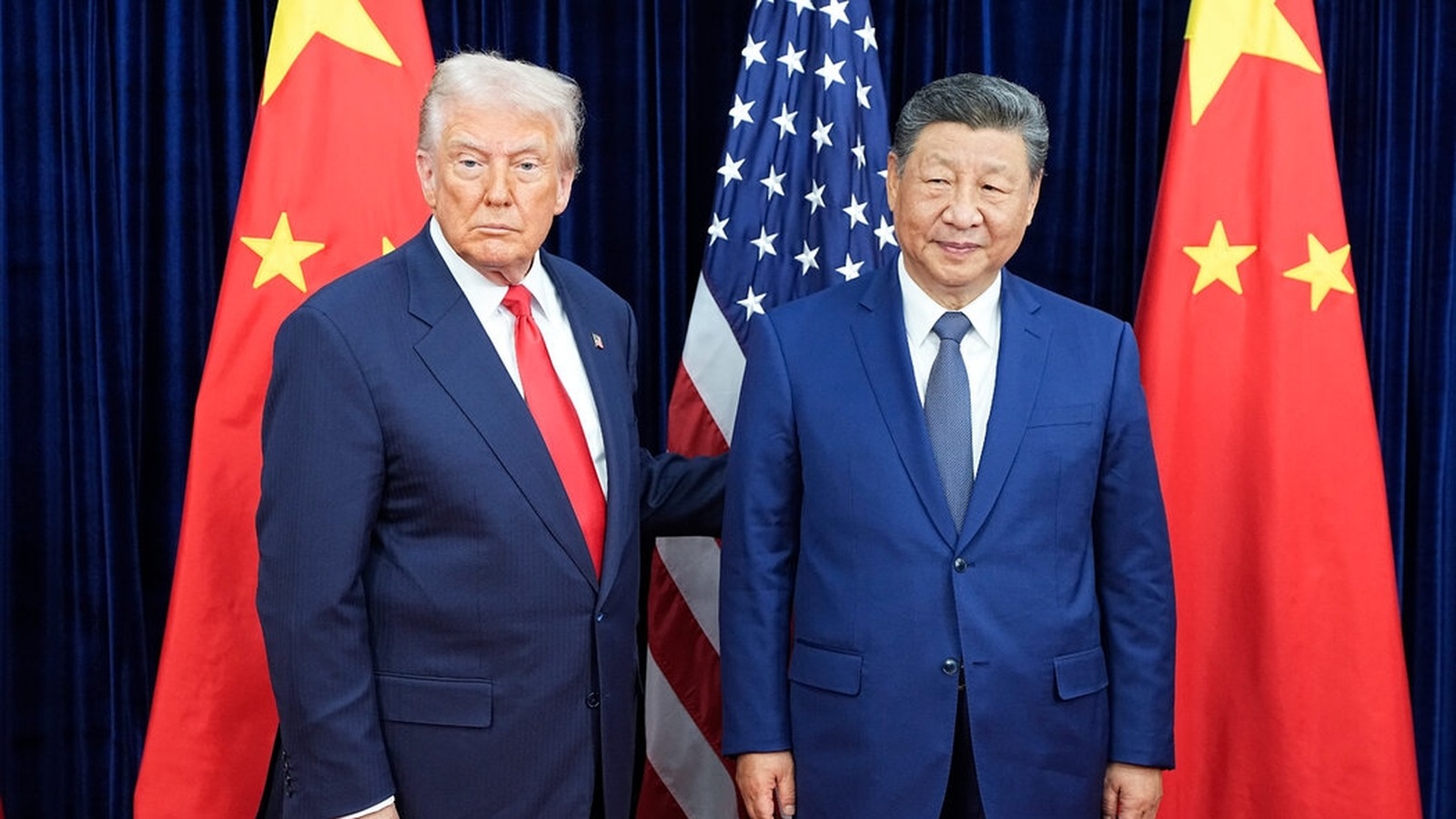
1) Washington and Beijing are testing whether a narrower tariff-cut package can stabilize trade without pretending broader rivalry has disappeared
Reuters reported on May 13 that Donald Trump and Xi Jinping were weighing tariff cuts on roughly $30 billion of imports as part of a managed-trade push designed to keep bilateral commerce moving while both sides preserve leverage. Reuters said two-way U.S.-China goods trade had already dropped sharply in 2025, with the bilateral deficit narrowing as tariff barriers rose and sourcing patterns shifted. The proposal therefore looks less like a return to pre-conflict normalization and more like a tactical attempt to prevent another step-down in volume while political talks remain fragile.
For importers, that distinction matters. A selective tariff cut can improve short-run cost math on specific lanes or product groups, but it does not remove the deeper uncertainty that has pushed companies to diversify vendors, split production footprints and shorten commitment cycles. Buyers still have to plan for a world in which tariff levels can be adjusted through negotiation, retaliation or domestic politics rather than through a stable long-term framework. If the talks yield only targeted relief, trade operators may get temporary savings without getting true planning visibility. That is still useful, but it keeps procurement, customs and pricing teams in a posture of constant recalculation rather than confident reset.
2) Semiconductor controls are being kept outside the current tariff détente, which means the most strategic part of the U.S.-China trade fight is still running on a separate track
Reuters reported on May 15 that U.S. Trade Representative Jamieson Greer said semiconductor export controls were not a major topic in recent Beijing discussions, even as Reuters had separately reported Chinese criticism of a proposed U.S. chip-equipment bill and Dutch objections to legislation that could pressure allies such as the Netherlands to align more tightly with Washington’s restrictions on exports to China. Taken together, those developments show that even if tariff talks become more pragmatic, advanced-technology trade is still being treated as a national-security file rather than an ordinary commercial bargaining item.
That split matters because semiconductors influence far more than chipmakers. Equipment restrictions can affect industrial automation, AI hardware roadmaps, supplier qualification decisions and capital spending plans across electronics manufacturing chains. If tariff talks produce selective relief while export controls keep tightening through legislation, licensing or allied coordination, companies exposed to China-linked electronics trade may face a two-speed policy environment: easier economics on some products, but harsher gatekeeping on strategic technologies. In practice, that means the headline temperature of the trade relationship can cool without reducing compliance workloads for companies tied to chip equipment, advanced computing components or upstream specialty materials.
3) Shipping lines welcomed the tariff reprieve, but the freight rebound still depends on whether cargo owners actually release delayed orders at scale
Reuters reported that container shippers welcomed a U.S.-China tariff reprieve and were waiting to see whether the policy shift would translate into a meaningful rebound in bookings. The shipping industry’s initial reaction was positive because even a partial reduction in tariff pressure can unlock cargo that had been paused, re-priced or diverted while importers waited for clearer policy signals. But Reuters also framed the response as cautious rather than celebratory, reflecting uncertainty over how much of the lost volume is recoverable and how quickly shippers can turn a policy headline into sustained equipment and vessel demand.
That caution is important for trade operators. Ocean freight does not respond only to tariff rates; it responds to confidence about how long those rates will last, whether retailers believe end demand is healthy enough to restock, and whether importers think temporary relief could disappear before cargo lands. A short-lived policy window can create a burst of front-loading rather than a stable recovery, sending booking patterns and spot rates higher without restoring normal planning rhythms. That is why the logistics signal after any tariff reprieve has to be read in stages: first carrier sentiment, then booking growth, then real port throughput. Until those indicators align, the shipping market remains vulnerable to false starts.
4) The WTO deadlock over digital trade is pushing major economies toward narrower side deals instead of universal rulemaking
Reuters reported on May 5 that the United States and other partners were proposing an e-commerce pact as deadlock deepened at the World Trade Organization. The move followed Reuters’ earlier report that the long-running WTO moratorium on duties for digital downloads and streaming had expired after members failed to reach agreement. Those developments mark an important shift in trade governance: rather than waiting for a full WTO consensus, major trading economies are increasingly exploring plurilateral arrangements to preserve at least some rules for cross-border digital commerce.
For cross-border sellers, software providers and service platforms, the practical risk is policy fragmentation. A multilateral moratorium offered a relatively simple baseline assumption that digital transmissions would not suddenly face customs-style duties. Once that protection lapses and rulemaking moves into smaller coalitions, businesses have to monitor a more uneven map of commitments, exceptions and local political pressures. Even if many governments do not impose duties immediately, the disappearance of a shared global guardrail changes the legal backdrop for digital trade. Companies selling software, content, data-enabled services or embedded digital products now have more reason to track not only tariffs on physical goods, but also where digital-border costs and compliance requirements could begin to diverge.
5) The multilateral trade system is showing financial and political strain at the same time the WTO is warning that global goods trade is already slowing
Reuters reported on May 1 that the World Trade Organization was preparing a roughly 10% budget cut after the United States fell back into arrears, while Reuters had earlier reported the WTO’s warning that merchandise-trade growth in 2026 could slow further if energy and geopolitical pressures remain elevated. Read together, those reports describe an uncomfortable overlap: the institution meant to manage trade frictions is being forced into internal austerity just as its economists are flagging a weaker environment for global goods flows. That combination does not create an immediate market shock, but it does weaken confidence that multilateral institutions can absorb escalating trade disputes cleanly.
For businesses, the impact is indirect but real. When the WTO is financially constrained, politically deadlocked and delivering softer trade forecasts, companies tend to assume that disputes will take longer to resolve and that policy uncertainty may persist across a wider range of sectors. That can influence sourcing diversification, contract duration, hedging behavior and investment timing even before customs data deteriorates further. It also reinforces a broader lesson from 2026: trade risk is not coming only from bilateral tariff moves or isolated sanctions actions. It is also coming from the gradual weakening of the institutions that once helped keep those disputes inside more predictable channels.
What to watch next
Watch whether Trump-Xi talks turn selective tariff relief into signed measures, whether booking data confirm that carriers are seeing a real cargo rebound, and whether chip-control bills gather allied support despite diplomatic resistance. Also watch the WTO track closely: if digital-trade rulemaking keeps splintering and the organization stays under fiscal stress, more companies will need to plan for a trade system with fewer common rules and more regional exceptions.